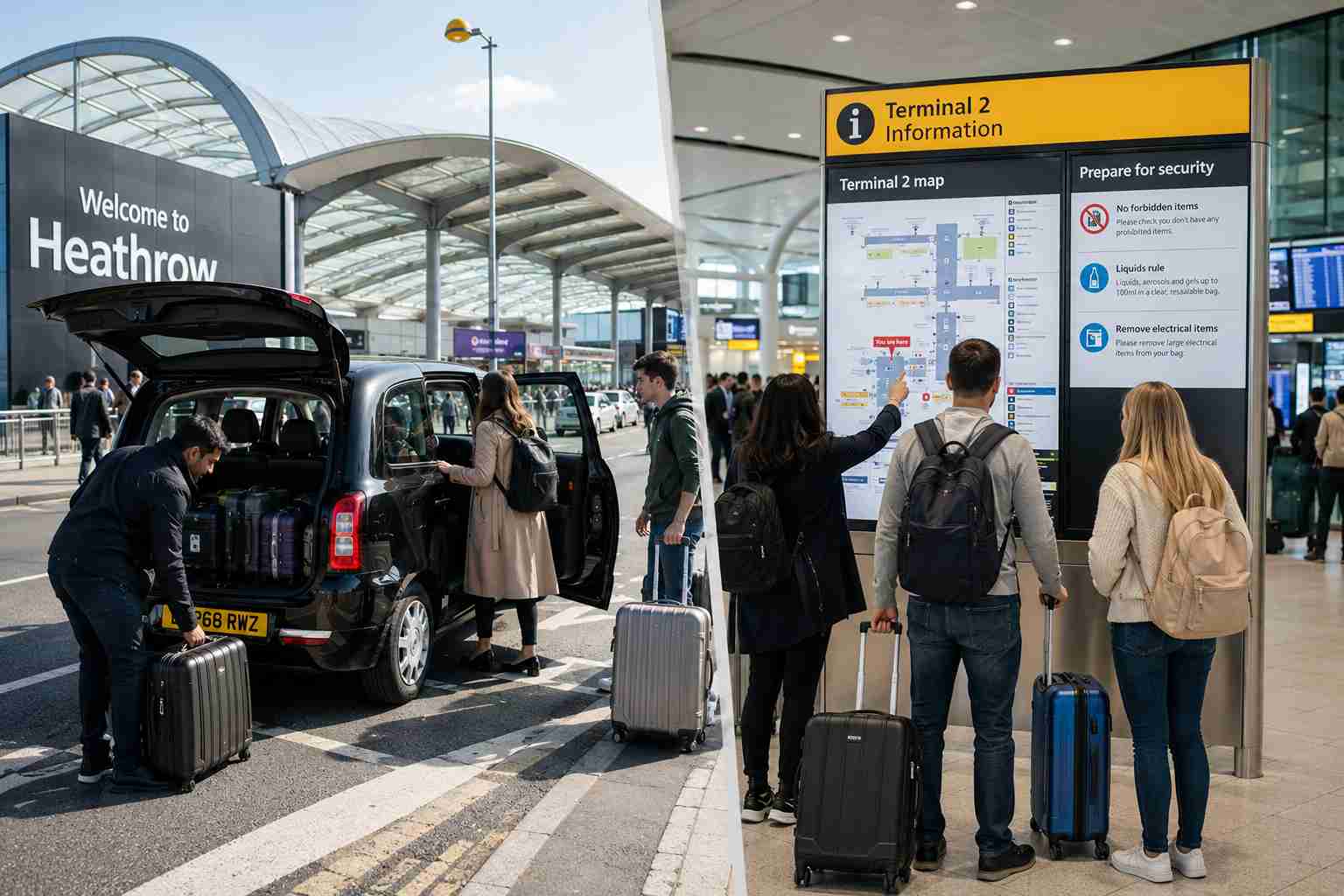
Heathrow Security and Baggage Explained What Passengers Should Prepare Before Flying
Airport security and baggage preparation are two of the most important parts of getting ready for a flight. Arriving at Heathrow with luggage that meets the relevant requirements, understanding what can go through security and knowing what to expect at the screening point can make the departure process considerably easier. However, passengers should be aware that security arrangements and baggage requirements can change, and rules may differ between airports and airlines. Heathrow currently allows certain liquids and larger electronic items to remain in cabin baggage at security, but requirements can vary by terminal and destination. For example, Heathrow states that Terminal 4 security upgrades are still ongoing, so passengers there may be asked to remove liquids and electrical items. This Heathrow security and baggage guide explains the main areas passengers should consider before travelling, including hand luggage, liquids, prohibited items, electronic devices and practical preparation.
Why Heathrow Security Preparation Matters
Security screening is designed to protect passengers and aircraft, so every traveller must follow the applicable procedures before entering the departure area. For passengers, the easiest way to avoid unnecessary delays is to prepare before arriving at the airport. Check your airline’s baggage allowance, review Heathrow’s current security guidance and make sure you know which items belong in your cabin or checked baggage. Do not assume that a rule you followed at another airport automatically applies at Heathrow. Security equipment and procedures can differ between airports. Heathrow itself advises passengers travelling from other airports to check the relevant local rules because security and liquid restrictions may not be identical.
Heathrow Hand Luggage: What Should You Check?
Your airline determines your baggage allowance, including the permitted number, size and weight of bags. Heathrow also has its own security requirements concerning the number and size of hand-baggage items that can pass through screening.
Heathrow currently states that passengers can take up to two pieces of hand baggage through security, with each item no larger than 56cm × 45cm × 25cm. Handbags, laptop bags and small backpacks count towards this allowance.
This does not mean every airline gives every passenger two cabin bags. Your airline’s ticket and baggage policy still determine what you are entitled to bring on board.
Before leaving home, check both the airline’s cabin-baggage allowance and the current Heathrow security requirements.
Heathrow Baggage Rules: Cabin vs Checked Luggage
Understanding the difference between cabin and checked baggage can prevent problems at the airport. Cabin baggage stays with you during the flight and passes through airport security. Checked baggage is handed to the airline before security and is transported in the aircraft’s hold. Items that are unsuitable or too large for cabin baggage may need to be placed in checked luggage. Some items, however, cannot be carried in either type of baggage.
Heathrow advises passengers to check its banned and restricted items guidance as well as their airline’s requirements before travelling. Some articles may be permitted in the hold but prohibited in the cabin, while certain dangerous goods are not permitted at all.
Heathrow Liquids Rules Explained
Liquid restrictions are one of the areas passengers most frequently ask about.
Heathrow’s current guidance states that liquids, aerosols and gels can be carried through security in containers of up to 2 litres, and they can remain inside your cabin bag during screening. This applies at Terminals 2, 3, 4 and 5 under Heathrow’s current security arrangements. Items that may count as liquids include drinks, creams, gels, toothpaste, shaving foam, perfumes, sprays and some foods such as yoghurt or puréed products.
Passengers should remember that security requirements at their destination airport may be different. Heathrow specifically warns that many other airports continue to operate different liquid restrictions, so check the rules for your return journey as well.
What Can You Take Through Heathrow Security?
Knowing what is permitted before packing can save time and prevent items from being removed at security. Heathrow currently permits a range of everyday items in cabin baggage, subject to applicable restrictions. Laptops, tablets and e-readers can remain inside cabin baggage during security screening under current Heathrow procedures. Passengers should also ensure electronic devices are sufficiently charged because security staff may need to confirm that a device can be switched on. Some items require additional consideration. For example, power banks and spare batteries are generally intended for hand baggage, but passengers should check their airline’s specific requirements.
If you are uncertain about an item, check the latest Heathrow guidance and contact your airline before travelling rather than relying on assumptions.
Heathrow Prohibited Items
Certain articles cannot be taken through security or onto an aircraft because they may present a safety or security risk. Examples include firearms and replica weapons, explosives, fireworks, certain sharp objects, incapacitating sprays, dangerous chemicals and various other restricted items. Some tools and sporting equipment may be prohibited from cabin baggage while potentially being permitted in checked baggage, subject to the relevant rules.
The prohibited-items list is not something passengers should try to memorise. If you have an unusual item in your luggage, check the official guidance before packing it.
This is particularly important when travelling with specialist sports equipment, tools, large batteries, medical equipment or other items that may have specific restrictions.
Preparing Electronics Before Security
Electronic equipment is another area worth considering before you reach the screening point.
Heathrow’s current guidance allows laptops, tablets and e-readers to remain inside cabin baggage during security. However, passengers should ensure their devices are charged and capable of being switched on if required. Keep chargers and essential electronics organised so you can access them easily if additional screening is required.
If you are carrying power banks or spare batteries, keep them in your hand baggage and check your airline’s current requirements. Heathrow’s prohibited-items guidance confirms that spare batteries and power banks are subject to specific carriage rules.
What Happens at Heathrow Security?
When you reach security, your hand baggage will be screened before you enter the departure area. Passengers may be asked to place coats, loose items or other belongings into trays and follow instructions from security staff. Additional screening can sometimes be required for a particular bag or item. Heathrow advises passengers to keep loose belongings organised before reaching security. Having keys, coins, phones and other small items together can make it easier to manage your belongings after screening.
Do not rush the process. Follow the instructions provided by security staff, even if the procedure differs slightly from what you experienced at another airport.
Baggage Preparation Tips Before Flying
A little organisation at home can make your airport experience easier.
Before travelling, check your airline’s baggage allowance and weigh your luggage if necessary. Make sure your cabin bag fits the permitted dimensions and avoid packing restricted items.
Keep passports, boarding information, medication and essential travel documents somewhere accessible. If you are carrying medication or specialist equipment, check whether additional documentation or arrangements are recommended.
It is also sensible to label checked baggage clearly and keep important items out of your checked suitcase. If your checked bag is delayed or misplaced, you will still have access to the essentials you need during the journey.
Travelling with Medication, Baby Food or Milk
Passengers travelling with medication, baby food or milk may have additional considerations.
Heathrow states that breast milk can be carried in the cabin in liquid form, with containers up to 2 litres under its current guidance. There are also provisions for formula milk, baby food and sterilised water when travelling with a baby.
Passengers travelling with medication should check the applicable requirements before departure, particularly when travelling internationally. Airline and destination-country rules may affect what documentation or packaging is needed.
If you are uncertain, check with your airline before arriving at Heathrow.
Special Rules for Certain Destinations
Your destination can sometimes affect what you are allowed to carry.
For example, Heathrow currently provides specific guidance for passengers travelling to the United States and Australia. Passengers flying to the US may face restrictions on certain powders over specified quantities, while Australia-bound passengers have additional restrictions concerning liquids over 100ml. This is an important reminder that passing through Heathrow does not necessarily mean the same baggage rules will apply throughout your entire journey.
Always check the requirements of your destination and any connecting airports as well as Heathrow’s departure procedures.
Airport Security Tips UK Passengers Should Follow
Good preparation is more useful than trying to rush through security.
Before leaving home, check the latest rules, organise your cabin baggage and remove anything you already know is prohibited. Keep important documents accessible and make sure electronic devices are charged.
At Heathrow, follow the current instructions regarding liquids, electronics and trays. Do not rely on outdated advice from previous journeys because security technology and procedures can change.
If security staff request an additional check, cooperate with the process and allow enough time in your overall airport schedule.
The objective is simple: arrive prepared, follow the instructions and avoid bringing unnecessary restricted items.
A Simple Heathrow Security Checklist
Before travelling, check the following:
- Confirm your airline’s cabin and checked-baggage allowance.
- Check the current Heathrow security requirements.
- Confirm your correct terminal.
- Review the latest liquids and gels guidance.
- Check whether any unusual items in your luggage are restricted.
- Keep essential documents and medication accessible.
- Ensure electronic devices are charged.
- Keep power banks and spare batteries in accordance with airline requirements.
- Organise loose items before reaching security.
- Allow enough time for check-in, baggage drop and security screening.
- Check the security rules at your destination airport for the return journey.
This preparation can make the process more predictable without adding much extra effort.
Final Thoughts
Understanding Heathrow security and baggage requirements before travelling can help you avoid unnecessary complications at the airport. The most important step is to check current information rather than relying on rules from an earlier trip or another airport.
Heathrow currently permits liquids in containers of up to 2 litres through its security screening and allows them to remain in cabin baggage, while certain terminal-specific procedures may still differ. Airline baggage allowances also remain separate from Heathrow’s security requirements.
For prohibited or unusual items, consult Heathrow’s latest restrictions and your airline before packing. Rules can change, and destination airports may apply different requirements.
With your luggage properly prepared, essential items organised and the latest security guidance checked before departure, you can approach the screening process with greater confidence.
Planning a Heathrow journey? Explore more LHR Airport guides for practical information about flights, terminals, transport, security and passenger facilities.